Usage of AI in project recovery is a new trend. A project goes off track long before the steering committee hears about it. By the time leadership asks for a recovery plan, you are usually dealing with missed milestones, conflicting explanations, and a team too busy firefighting to write a clean status narrative.
That is where AI in project recovery becomes useful – not as a replacement for project judgment, but as a speed and clarity tool when the pressure is already high.
Struggling to phrase this update for leadership? Don’t spend the next two hours agonizing over your wording. Use Project Manager Copilot to instantly transform your raw project notes into structured, boardroom-ready narratives.
One-time payment. Lifetime access. Secure & processed locally.
Most project managers do not need another broad AI demo. They need help answering hard questions fast. What slipped, why did it slip, what decisions are now required, what can still be saved, and how do you explain all of that without sounding vague or defensive?
If AI cannot help with those moments, it does not help much.
Table of Contents
Where AI in project recovery earns its place
Recovery work is not just replanning. It is diagnosis, communication, and decision support under scrutiny. That is why generic AI often disappoints in this context. It can produce polished words, but polished words are not the same as an executive-ready recovery message.
Used well, AI can compress the messy middle of project recovery. It can take scattered notes, risk logs, timeline changes, meeting outcomes, and stakeholder concerns, then turn them into a more structured view of the situation. That matters because most failing recovery efforts are not caused by a lack of effort. They fail because the story is unclear, the trade-offs are hidden, or the proposed next step is too weak for leadership to act on.
A useful AI workflow helps with three practical jobs. First, it organizes what happened and separates symptoms from root causes. Second, it turns that diagnosis into communication that different audiences can absorb quickly. Third, it supports decision framing so recovery is not presented as wishful thinking.
Why AI in Project Recovery is a Game-Changer
Using AI in project recovery allows PMs to move from reactive firefighting to predictive management. Traditional recovery methods rely on historical data that is often weeks old. AI models, however, can analyze real-time sentiment in communication tools, track velocity changes in Jira, and predict a project collapse before it happens. By the time a human identifies a “blocker,” an AI copilot has already suggested three mitigation paths.
5 Ways to Implement AI in Project Recovery
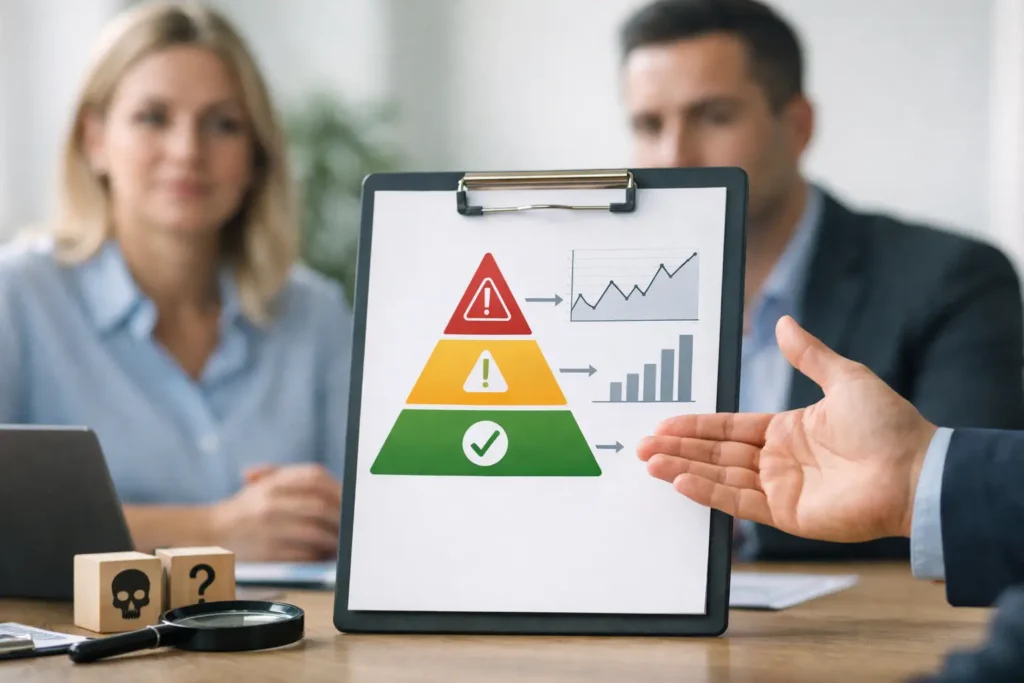
- Early Warning Systems: Using machine learning to flag “Yellow” projects before they turn “Red.”
- Resource Optimization: AI can simulate 1,000+ resource scenarios to find the fastest recovery path.
- Automated Status Reporting: Reducing the “admin burden” so the PM can focus on stakeholder management.
- Sentiment Analysis: Monitoring team morale and stakeholder emails to detect hidden project risks.
- Scenario Planning: Using digital twins to “test” a recovery strategy before committing the budget.
Struggling to phrase this update for leadership? Don’t spend the next two hours agonizing over your wording. Use Project Manager Copilot to instantly transform your raw project notes into structured, boardroom-ready narratives.
One-time payment. Lifetime access. Secure & processed locally.
The “Human vs. AI” Comparison Table
| Recovery Task | Traditional Method (Manual) | AI-Enhanced Method | Benefit |
|---|---|---|---|
| Risk Detection | Monthly Review | Real-time Scanning | 10x Faster Detection |
| Schedule Impact | Manual “What-if” Analysis | Monte Carlo Simulations | Higher Accuracy |
| Blocker ID | Weekly Stand-up | Activity Pattern Analysis | Prevents Work Stoppage |
| Documentation | Hours of Writing | Automated Templates | 80% Less Admin Time |
What AI can do well during a project recovery
The best use of AI is not producing a miracle plan in one click. It is reducing the time between chaos and a defensible response.
It can structure the problem quickly
When a project is slipping, context is usually fragmented. Different sources, different points of view. AI can help consolidate those threads into a structured summary that shows timeline impact, delivery risks, assumptions, and open decisions.
That structured view is valuable because recovery starts with a common picture of reality. If your sponsor, delivery lead, and team all describe the problem differently, recovery stalls before it starts.
It can draft executive-ready communication
This is where many project managers lose hours they do not have. Leadership does not want raw project notes. They want a concise update that covers status, impact, cause, mitigation, and the decision or support needed.
Usage of AI in project recovery looks to be of a great value.
AI can draft those updates much faster than most people can write them from scratch, especially when emotions are high and facts are still shifting. The advantage is not just speed. It is consistency. A good AI-assisted draft keeps the message focused, strips out noise, and makes it easier to sound controlled.
It can help compare recovery options
Most real recovery situations involve trade-offs. You can compress testing but increase defect risk. You can de-scope features but create adoption issues. You can add resources but still miss the dependency causing the schedule problem.
AI can help lay out those options in a decision framework with assumptions, benefits, risks, and required approvals. That does not make the decision for you. It makes the decision easier to present and harder to challenge as incomplete. Value of usage of AI in project recovery is getting higher every day.
Short falls of AI in project recovery
This is the part many articles skip. AI is useful, but it is not neutral, and it is not accountable.
First, AI only works with the context it is given. If your inputs are vague, political, outdated, or biased, the output will reflect that. A polished summary based on weak facts can make a bad situation worse because it creates false confidence.
Second, AI does not understand organizational history the way an experienced project manager does. It cannot reliably judge which sponsor will accept scope cuts, which dependency owner is overstating confidence, or which issue is likely to trigger executive escalation. That kind of reading of the room still matters.
Third, recovery is partly a leadership act. You are not just reporting status. You are re-establishing trust. AI can support that by improving clarity, but it cannot substitute for ownership, judgment, or the credibility that comes from making a clear recommendation.
How to use AI in project recovery without making things worse
The strongest approach to use AI in project recovery is to use it as a project recovery assistant, not as the author of reality.
Good start to use AI in project recovery is by giving it factual, organized inputs. That means timeline changes, root-cause notes, blockers, stakeholder concerns, current risk level, and any constraints on scope, budget, or resourcing. The better the source material, the better the output. If the context is messy, say so and identify the uncertainties.
Next, ask AI to work in specific formats. Generic requests produce generic output. In recovery, format matters. Ask for an executive status update, a root-cause summary, a recovery options table, a stakeholder communication draft, or a decision memo. You are looking for structure that leadership can use.
Then review every output as if it were going to be challenged in a room full of senior stakeholders. Check whether it overstates certainty, skips trade-offs, softens accountability, or hides unresolved decisions. AI often writes with more confidence than the evidence supports. That is dangerous in recovery settings.
Finally, tailor the final message to the audience. A project team needs operational detail. A sponsor needs risk, timing, and decision clarity. Executives want impact, mitigation, and a recommendation. AI can help generate all three, but you still need to control the narrative.
Generic AI vs specialized tools for project recovery
This is where the difference becomes obvious under pressure. Generic AI tools can help brainstorm or summarize, but they often require a lot of cleanup. You have to decide what context to include, how to frame the prompt, what format to request, and how to fix responses that sound polished.
That may be acceptable when you have time. It is a poor fit when leadership wants an update in 20 minutes and the status meeting is already tense.
Specialized tools built for project managers are better suited to AI in project recovery because they start from the actual job to be done. They assume you need a recovery plan, a concise status update, a stakeholder message, or a decision framework. That reduces the burden of prompt writing.
For project managers dealing with delay communication and executive scrutiny, that difference is not cosmetic. It is the difference between spending half an hour editing generic text and getting to a usable first draft quickly.
A practical standard for judging AI in recovery work
If you are evaluating whether AI is worth using during recovery, ignore the marketing language and test it against real pressure.
Can it help you explain what happened without rambling? Can it turn fragmented notes into a credible executive update? Can it make your recovery options clearer, including the downside of each option? Can it save time without increasing the risk of saying something inaccurate or weak?
If the answer is yes, it has value. If it produces vague reassurance, generic recommendations, or language that sounds detached from the actual project, it will create more work than it removes.
A good rule is simple: AI should improve your clarity, speed, and confidence. If it does not do all three, it is not helping enough.
Project managers rarely get judged on whether a project encountered difficulty. They get judged on how quickly they establish control, how clearly they communicate the situation, and whether their recovery plan sounds credible under scrutiny. That is the real use case for AI here.
If you want a faster way to turn messy project context into recovery plans, executive-ready updates, and structured stakeholder communication, Project Manager Copilot is built for exactly that moment. You can get it here. At Project Manager Copilot, we specialize in these AI-driven recovery frameworks
When the schedule slips and leadership is asking hard questions, clear communication is not a nice-to-have. It is part of the recovery.
While AI in project recovery provides the data, the PM still needs to lead the communication. Once your AI tool identifies a slippage, you should use a Project Blocker Communication Template to alert the team.
Struggling to phrase this update for leadership? Don’t spend the next two hours agonizing over your wording. Use Project Manager Copilot to instantly transform your raw project notes into structured, boardroom-ready narratives.
One-time payment. Lifetime access. Secure & processed locally.
If the data suggests a major shift, incorporate those insights into your formal Project Recovery Plan Template for steering committee approval
Expert take from the Copilot
If you want faster, cleaner delayed-project communication without spending an hour drafting every message from scratch, Project Manager Copilot can help you turn rough inputs into executive-ready updates, recovery plans, and decision summaries. You can get it here. For the main product page, visit Project Manager Copilot . When the timeline moves, clarity is what keeps your credibility intact